Shiny, Stormy, or Somewhere Between: You Get to Decide What Your Copper Becomes

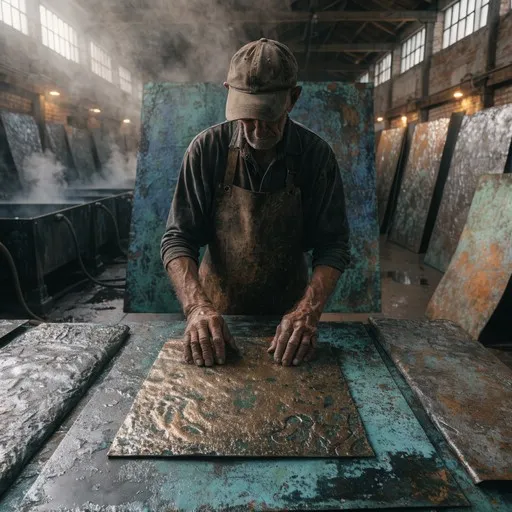
Photo: Zde, CC BY-SA 4.0, via Wikimedia Commons
Every few weeks I get the same email in one of two flavors. The first: "My copper vase is turning brown and weird — did I ruin it?" The second: "I love that dark, aged look on your website — how do I get mine to do that?"
Same metal. Same process. Two completely opposite reactions. And here's the thing both emailers need to hear: neither one is wrong. Patina isn't damage, and it isn't destiny. It's a decision.
What's Actually Happening to Your Copper
Copper reacts with oxygen, moisture, and whatever else is in the air around it. Fresh from the workshop, it's a warm salmon-pink. Over weeks and months it deepens to a rich chocolate brown, and with enough time and the right conditions, it can develop greens and blues — the famous verdigris you see on old rooftops and statues.
None of this is corrosion in the rust-bucket sense. Copper's patina is actually protective. It's the metal armoring itself. But if you have a vision for how your copper should look in your kitchen, you don't have to wait for chemistry to make up its mind.
Want It Bright? Here's the Routine
A mirror finish is absolutely achievable — it just requires commitment. The classic approach:
- Cut a lemon in half, dip it in coarse salt, and scrub the surface in circles.
- Rinse thoroughly with warm water and dry immediately — standing water is what causes spotting.
- Buff with a soft cloth until it gleams.
Commercial copper polishes work too, though I'd steer clear of anything abrasive on pieces with a hand-hammered texture, since aggressive scrubbing can flatten the facets that give the piece its character.
One honest warning: a bright finish is a maintenance lifestyle, not a one-time chore. On a copper pot living near a stove, expect to polish every couple of weeks. Many of my customers polish on a schedule the way they water houseplants.
Want It Dark and Moody? Speed Things Up
On the flip side, if you're chasing that antique, collected-over-generations look, you can accelerate the process safely with stuff already in your kitchen:
- The egg method: Hard-boil a couple of eggs, toss the shells, and seal the eggs and your clean copper piece in a plastic bag or container for a few hours. The sulfur released by the eggs deepens the copper to a warm brown. It sounds like a science fair project. It works like a charm.
- Vinegar and salt mist: A light spritz of a vinegar-salt solution, left to sit, nudges the metal toward a darker, variegated tone. Mist, don't soak, and check every 30 minutes.
- Just... live with it: Honestly, the most beautiful patinas I've seen developed naturally over a year of real use — hands on the handles, steam from the stove, the occasional forgotten splash.
Whatever method you use, stop when you like what you see, rinse gently, dry fully, and lock it in with a thin coat of food-safe wax if the piece won't be used for cooking.
A Word on Stripping It All Back
Changed your mind about that dark finish? A paste of flour, salt, vinegar, and a little water — left on for an hour, then rinsed — will lift most household patina without harsh chemicals. For heavy verdigris or decades of buildup, a dedicated copper remover is the gentler option versus sanding, which will eat your finish and any stamped details along with it.
The Collectors' Secret
Here's the twist that surprises people: certain buyers — especially collectors of mid-century and vintage American copper — pay a premium for original, untouched patina. Strip an old copper kettle back to shine and you can cut its value to a serious collector in half. That mottled rainbow-and-brown surface is a timestamp. It can't be faked convincingly and it can't be put back once it's gone.
So before you scrub anything, ask yourself what story you want the piece to tell. Bright and celebratory? Polished for the dinner party, every time. Weathered and storied? Let it ride. There's no wrong answer — just make it a choice instead of an accident. Your copper will look great either way. It's kind of its whole thing.