One Pot, Whole Marriage: The Case for the Heirloom Wedding Registry
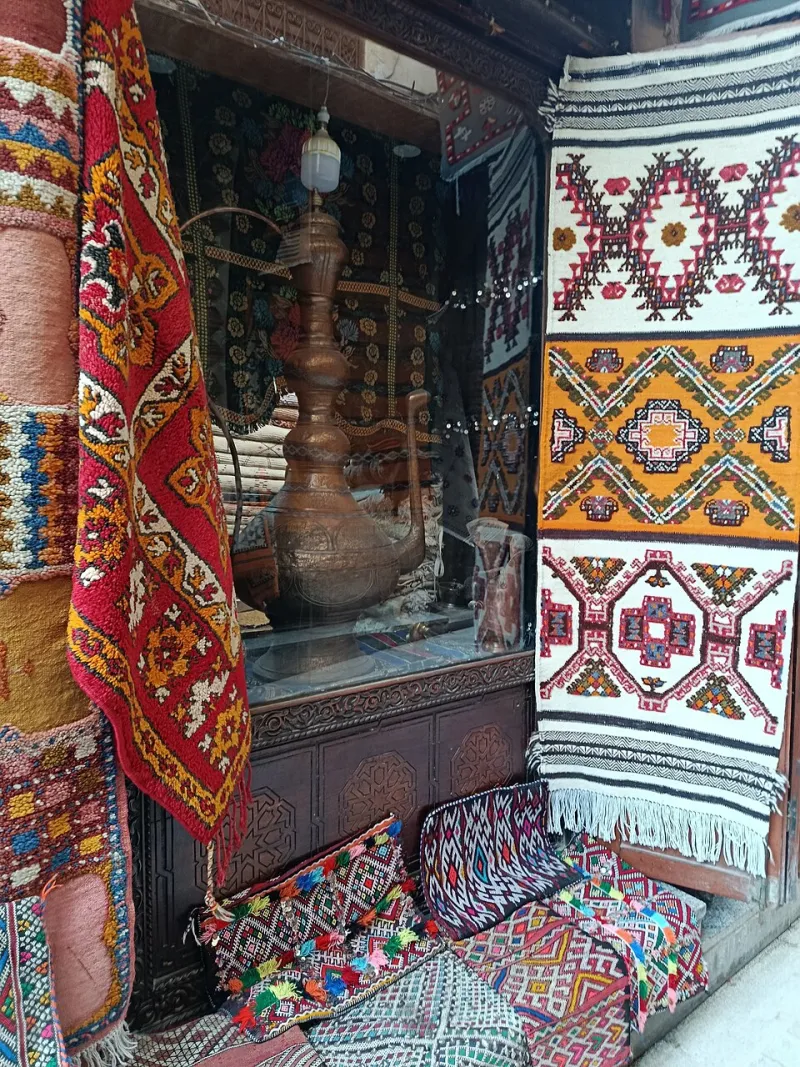
Photo: AdilElouarti, CC0, via Wikimedia Commons
I've been hammering copper for the better part of two decades, and lately I've noticed something at the craft fairs and in the custom orders that come through my shop: young couples. Not buying a mug for themselves — asking me to make a pot or a set of cups for their wedding registry.
It used to be rare. Now it's a couple of inquiries a month, and I don't think it's a fluke. I think it's a quiet rebellion against the registry as we've known it.
The Registry Problem Nobody Talks About
The traditional American registry was built for a different era. Couples got married younger, moved straight from dorm furniture into a real kitchen, and genuinely needed twelve dinner plates, a toaster, and a blender. The big-box registry made sense.
But here in 2025? Most couples already have a kitchen. They've lived together, they've accumulated stuff, and the last thing they need is a third waffle maker and a set of nonstick pans that will be warped and scratched by year three.
So the registry filled up with filler. Guests ended up buying things nobody needed, wrapped in a bow, destined for a closet or a donation bin. Everyone spent money. Nobody kept anything.
A growing number of couples looked at that math and decided there was a better trade: skip the pile of mediocre gifts and ask for one thing that will still be in the family when their grandkids are arguing over it.
What 'Buy One Heirloom' Actually Looks Like
The idea is simple. Instead of a forty-item list, a couple registers for a single significant piece — something handmade, built to outlast them, and meaningful enough that guests feel proud to have contributed.
A handcrafted copper pot is the classic pick, and I'll admit my bias here, but the logic holds for any heirloom-grade piece. Copper cookware made the old way gets handed down. It gets retinned, rehammered, polished at Thanksgiving, and argued over in wills. It's the rare wedding gift that appreciates in sentiment every single year.
I've made registry pieces ranging from a two-quill sauté pan to a hammered copper mug set for a couple in Vermont. What they all had in common: the guests weren't buying an object, they were buying a story the couple would tell for fifty years.
What to Ask For
If you're considering this route, a little specificity goes a long way. Vague requests make guests hesitant; clear ones make them feel like insiders.
- Name the maker. A registry that says "a handcrafted copper pot" leaves guests guessing. Name the artisan, the shop, or the piece. Most small makers, myself included, are happy to work directly with the wedding party.
- Pick something you'll use weekly, not just admire. The best heirlooms are workhorses. A pot you cook in every Sunday beats a showpiece that lives on a high shelf.
- Think about the long game. Ask yourself: will this piece make sense in five kitchens, in three states, over forty years? Copper, properly cared for, answers yes.
- Consider a set of smaller pieces instead of one giant one. A trio of mugs or a pair of measuring cups can work when a single big pot feels like too much to ask.
The Group Gift, Without the Awkwardness
Here's the part that stops most couples: the price. A quality handmade piece costs real money, and nobody wants to be the guest who had to skip the reception because of the registry.
The fix is the group gift, and it's more normal than you might think. A few approaches that work:
- A dedicated group-gift fund. Plenty of registry platforms now let you list a single high-ticket item and let multiple guests contribute whatever they'd like toward it. Nobody sees who gave what.
- Delegate to the wedding party. Tell your maid of honor or best man what you're hoping for and let them coordinate. This is literally what they're for, and it keeps you out of the money conversation entirely.
- Frame it in the invitation with humor and honesty. Something like: "We have a small apartment and a full kitchen — if you'd like to give, we're pooling gifts toward one pot we'll keep for the rest of our lives." Guests appreciate being told the plan rather than decoding it.
The key is tone. You're not asking for more money; you're inviting people to be part of something that lasts. That framing does the heavy lifting.
A Word From the Maker's Side
I'll be honest: when a couple registers for one of my pots, I take it seriously in a way I don't with a regular sale. I know the piece will be unwrapped in front of a hundred people, that someone's grandmother will inspect the hammering, and that in thirty years a newlywed grandchild will be told "that was the wedding pot."
That's a different kind of commission. And honestly, it might be the best kind of wedding gift there is — one that starts its life on the happiest day of the year and just keeps showing up, decade after decade, for every ordinary Tuesday dinner that follows.
Ten mediocre gifts get forgotten by the ten-year mark. One perfect pot doesn't.