Penny for the Roof: What Copper Overhead Really Costs, Lasts, and Does for Your House
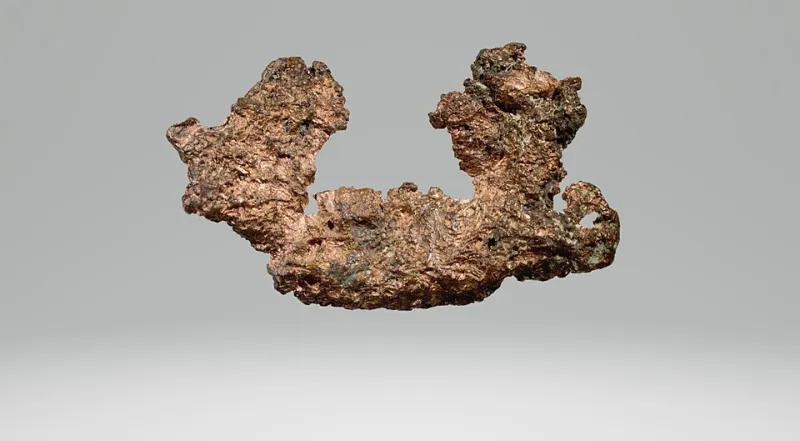
Photo: NPS, Public domain, via Wikimedia Commons
I'll be honest with you: as a guy who spends his days hammering out pots and fittings, I didn't expect to spend a weekend talking to roofers. But the last few craft fairs, more and more folks have wandered up to my booth asking the same question — should I put copper on my roof? Not a pot. Not a planter. The actual roof.
So I made some calls. I talked to three roofers — one in coastal South Carolina, one in a historic district in Massachusetts, and one in suburban Colorado who mostly laughs at the question. Here's what I learned.
The Math Nobody Does at the Home Improvement Store
Let's start with the sticker shock. Architectural asphalt shingles run somewhere between $4 and $7 per square foot installed. A standing seam copper roof? Figure $15 to $30 per square foot, sometimes more depending on your region and roof complexity. For a 2,000-square-foot roof, you're looking at the difference between roughly $12,000 and $50,000 or more.
That's a lot of copper pots.
But here's the math the roofers walked me through. Asphalt shingles last 15 to 25 years if you're lucky, less in brutal sun or hail country. Copper, properly installed, lasts a century or longer. There are church roofs in Europe going on 400 years. The copper doesn't quit — it just changes color, going from bright penny-orange to that famous green patina within a decade or so, depending on your climate.
Do the replacement math: two, maybe three shingle jobs over 60 years, plus tear-off and disposal fees each time, and suddenly copper's lifetime cost doesn't look so wild. One roofer in Charleston put it plainly: "I've replaced the same shingle roof on some houses twice. The copper on the church next door hasn't been touched since 1911."
Where Copper Earns Its Keep
Not every house needs it, and every roofer I spoke with was quick to say so. But there are situations where they recommend it without hesitation:
Coastal homes. Salt air eats asphalt and fasteners alive. Copper couldn't care less. A roofer in the Outer Banks told me copper flashing and gutters are practically standard on oceanfront builds now.
Historic districts. If your home sits in a designated district — think Charleston, Savannah, parts of New England — copper is often the period-appropriate choice, and sometimes the required one. Review boards love it because it weathers the way the originals did.
Low-slope and complex roofs. Copper flashing around chimneys, dormers, and valleys outlasts everything else in the awkward spots where leaks start. Even on an asphalt roof, copper flashing is the upgrade most roofers quietly recommend.
The house you'll pass down. One roofer summed it up: "Copper is the last roof that house will ever need. Somebody's grandkid will be looking at your work."
When It's Overkill
The Colorado roofer was refreshingly blunt. "If you're selling in five years, don't. You won't get the money back." Appraisers and realtors confirm you recoup some value, but rarely all of it, at least not on paper.
He also flagged a few practical realities: copper is soft and dents under hail worse than steel, it's a theft target in some areas (scrap value is real), and a bad installation is expensive to fix because fewer crews know how to work it. Soldering, proper fasteners — copper demands specialists, not just any roofing outfit.
A Craftsmanship Note from My Bench
Here's what resonates with me as an artisan: copper roofing is the same metal I shape into cookware, worked by hand the same way. Every seam on a standing seam roof gets folded, locked, and often soldered — skills that take years to learn and are getting rarer by the decade.
And the patina? That's not damage. That's the metal telling you its age, the same way my pots develop character on a stovetop. A green roof isn't a failing roof. It's a finished one.
The Bottom Line
If you're in a coastal zone, a historic district, or planning to stay in the house for decades and hand it to your kids, copper starts making genuine sense — especially on flashing, gutters, and accents even if a full roof is out of budget. A copper half-round gutter system or bay-window roof is a fraction of the cost and delivers most of the durability and curb appeal.
If you're budget-focused and moving on soon, asphalt remains the honest answer. There's no shame in it.
But if you've ever stood in an old town square and looked up at that soft green glow and thought, I want that — well, now you know what it costs, what it lasts, and who to call. Ask the hard questions, find a crew that's actually worked the metal, and remember: you're not buying a roof. You're buying the last one.