The Chef Worked My Pot Like a Rent Truck: What Professional Kitchens Know About Heirlooms

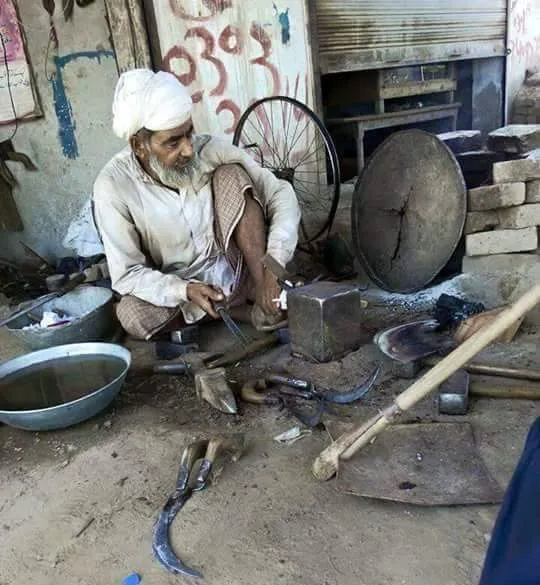
Photo: Karl and Ali , CC BY-SA 2.0, via Wikimedia Commons
A few months back, a chef I've known since farmers market days called in a custom order: two saucepans and a saucier, built for professional service. Thicker walls, riveted iron handles, no frills. I built them the way I'd build anything, maybe a little heavier, and sent them out the door with the usual care speech — moderate heat, wooden tools, don't let the dishwasher anywhere near them.
She brought them back last week. Not for repair — for a tune-up. Retinning, a handle check, the routine maintenance any copper pot needs after real mileage.
Friends, those pots looked like they'd survived a war.
Dents across the bodies like a topographic map of somewhere rocky. The patina was dark and mottled in ways no controlled oxidation could produce. One handle had a slight bend I could've sworn wasn't there at delivery. I stood there with a feeling I couldn't immediately name, and then I figured it out: pride. Those dents meant the pots were working every single service.
The Two Kinds of Copper People
Here's the tension I run into constantly. Half my customers treat copper cookware like museum pieces. They display it on hanging racks they'll never cook from, wipe it with special cloths, and ask me — sincerely — whether using it will "ruin the finish." The other half are cooks. They heat, sear, deglaze, scrub, and repeat until the metal looks like it's been through a bar fight.
The collector mindset isn't wrong, exactly. Copper is beautiful, and there's real pleasure in caring for a fine object. But somewhere in the last few decades, American kitchen culture got the idea that the highest purpose of a nice pot is to be admired. We've imported the museum's rules into the kitchen, and I think it's made us worse cooks and worse owners.
The chef's pots told the opposite story. Every dent was a meal. That dark patina in the belly of the saucepan? Hundreds of sauces, reductions, pans deglazed with wine at 11 p.m. on a Friday. That pot had a résumé.
Dents Are Data
When I look at a well-used copper vessel, I can read it like tree rings. The dings low on the body come from resting on a burner grate. Dings on the rim mean it was stacked or hung carelessly — or that a dishwasher at closing time was moving fast. A worn spot where the handle meets the body means a thousand lifts, full and heavy. Professional kitchens don't baby anything, and the metal keeps an honest record.
Here's my heretical opinion, and I'll stake my reputation on it: the best heirlooms are the ones with the most dents. An unblemished pot tells you nothing except that somebody was scared of it. A battered one tells you it was chosen, used, trusted, and needed. When that chef's pots eventually go to her kids or a line cook who worked under her, they won't inherit an object. They'll inherit evidence — of ten thousand meals, of a career, of a particular kitchen on a particular street in a particular town.
You can't manufacture that. You can only earn it.
What I Told Her (and What I'd Tell You)
I retinned both pans, straightened the handle, and sent them back out. I did not polish the dents out, and I told her why: those dents are the finish now. Smooth copper says new. Beaten copper says proven.
If you own copper and you're afraid to use it, here's your permission slip. Heat it, cook in it, let it darken. Scrub it when you must and let it go when you don't. The tin lining is a consumable — it wears and gets retinned, like brake pads. The copper body is the heirloom, and copper's whole personality is that it takes a hit and keeps its shape, more or less.
There's a saying among people who restore old tools: the patina is the receipt. Every scratch and dent is proof of use, and use is the entire point. A pot that's never been cooked in is just a very expensive opinion about your kitchen.
So no, I don't baby my own cookware, and I don't think you should baby yours. Buy well, use hard, repair when needed. And if you ever bring me a pot that looks like it went ten rounds, don't apologize. Around here, that's not damage. That's a good review.