From My Bench to Your Basement Batch: Why Fermenters and Home Brewers Keep Showing Up Asking for Copper
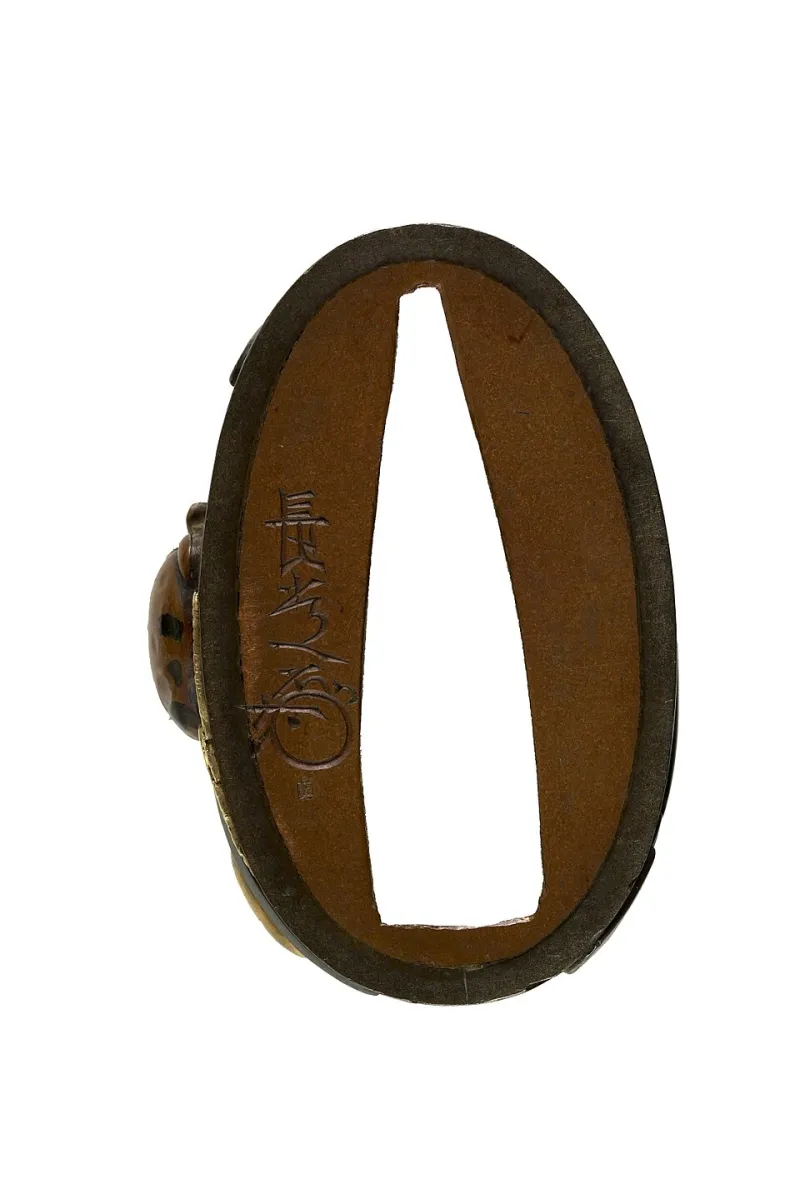
Photo: Ichinomiya Nagamitsu, Public domain, via Wikimedia Commons
Every few months, somebody new shows up at my bench with the same look on their face — half apologetic, half excited. Last spring it was a guy named Dale from outside Asheville. He'd been brewing beer in his garage for six years and had finally decided he wanted a copper kettle that would outlive him.
"I know it's kind of a hipster thing," he said.
It's really not. Or at least, not anymore. Over the past few years, the people buying my vessels have shifted. It used to be mostly folks furnishing kitchens. Now I'd guess a third of my orders come from home fermenters, mead makers, small-batch distilling hobbyists, and people making hot sauce in their basements. And here's the thing: they're not buying copper for its looks. They're buying it because it works.
Why the Fermentation Crowd Wants Copper
There are two reasons, and both are rooted in real metallurgy, not folklore.
First, heat. Copper moves heat faster than almost any metal you can put on a stove. For anyone mashing grain, boiling wort, or running a stovetop still, that means fewer hot spots and more even temperatures. Ask any homebrewer who's scorched a batch in a thin aluminum pot why they upgraded, and you'll get an earful.
Second, chemistry. Copper interacts with sulfur compounds during fermentation and distillation — the same compounds that can make a batch taste like rotten eggs. This is why commercial distilleries have used copper stills for centuries. It's not tradition for tradition's sake; the metal genuinely strips out off-flavors. Similarly, copper's antimicrobial properties matter to anyone keeping a fermentation crock clean over the long haul.
Dale put it plainly: "I spent hundreds on gadgets I don't use anymore. The kettle's the one thing I'd never sell."
What You Actually Need as a Beginner
Here's the honest talk I give everyone who asks. Fermentation and brewing hobby gear is a minefield of stuff that's pretty but pointless. Start here:
One good vessel. A hammered copper pot or kettle in the two-to-five gallon range covers brewing, mashing, and even small-batch fermenting. That's it. You do not need a matched set on day one.
A lid that fits. Sounds obvious, but a well-fitted copper lid does real work keeping dust and wild yeast out of a crock or kettle.
Patience with the patina. Beginners often panic when copper darkens. For brewing vessels, that darkening is normal and harmless. If you're using the vessel for food contact regularly, a quick scrub with vinegar and salt brings the shine back when you want it.
What's Just Pretty to Own
I'll say this as the guy who'd benefit from selling you more: you don't need the decorative hammered pitcher, the copper strainer, or the Moscow Mule mugs to ferment a decent batch of sauerkraut. Those things are lovely. They make great gifts. But if your budget is limited, put it all into one well-made vessel from a maker whose work you can trace. A hand-raised pot from a real shop — seams worked by hand, rivets set properly — will hold up for decades. Thin, mass-stamped copper look-alikes won't.
One more caution: if you're getting into actual distilling, know your state laws. Home fermentation of beer, wine, and mead is legal federally for personal use, but distilling spirits at home is not legal everywhere in the US. Copper is wonderful metal. Don't let it land you in front of a judge.
The Old Way Meets the New Hobby
What I find genuinely moving about this trend is that it mirrors how copper work survived at all. For centuries, copper vessels were made because communities needed them — for brewing, preserving, distilling, storing. The craft almost died when food production industrialized. Now a wave of people making things by hand in their garages and basements is pulling it back.
Dale's kettle left my bench in April. Last month he sent me a photo of it, mid-boil, steam rising, patina already starting at the rivets. "Batch number fourteen," he wrote. "Tastes better every time."
That's the whole pitch, really. Not shine. Not status. Just a vessel that does its job, made by hand, used by hand, getting better the longer you keep at it.